If you are deemed a “high-risk” driver, typically due to traffic violations, multiple accidents, or simply because you’re a new driver, you may benefit from non-standard auto insurance. These policies are designed for high-risk drivers and may come with higher premiums than standard policies, but the coverage options are the same. Infinity Insurance Agency, Inc. (IIA), can help you find affordable, personalized non-standard auto insurance options at a cost-effective price.
Navigating the world of auto insurance can be tricky if you do not have explanations that clarify the terms. If you have been told that you’re a high-risk driver and that non-standard insurance may be the option for you, you may need more information. At Infinity Insurance Agency, Inc. (IIA), we work with non-standard auto insurance companies. We're here to help you understand your options so that you can choose the best auto insurance coverage for your needs. Let's break down what non-standard auto insurance is and how it can be beneficial.
What is Non-Standard Auto Insurance?
Non-standard auto insurance is simply a term used for policy rates designed for drivers who are considered higher risk by insurance companies. This category includes individuals with less than perfect driving records, like those with traffic violations or the unfortunate who have had many car accidents, or other factors that increase the likelihood of filing a claim. Non-standard policies often come with higher premiums due to the increased risk but offer the same coverage as standard policies.
How Does Non-Standard Auto Insurance Differ from Standard Insurance?
The primary difference between non-standard and standard auto insurance is the risk assessment. Non-standard policies are tailored for drivers with unique circumstances that make them more likely to file a claim. This could mean higher monthly premiums compared to standard policies. However, the coverage provided is generally the same.
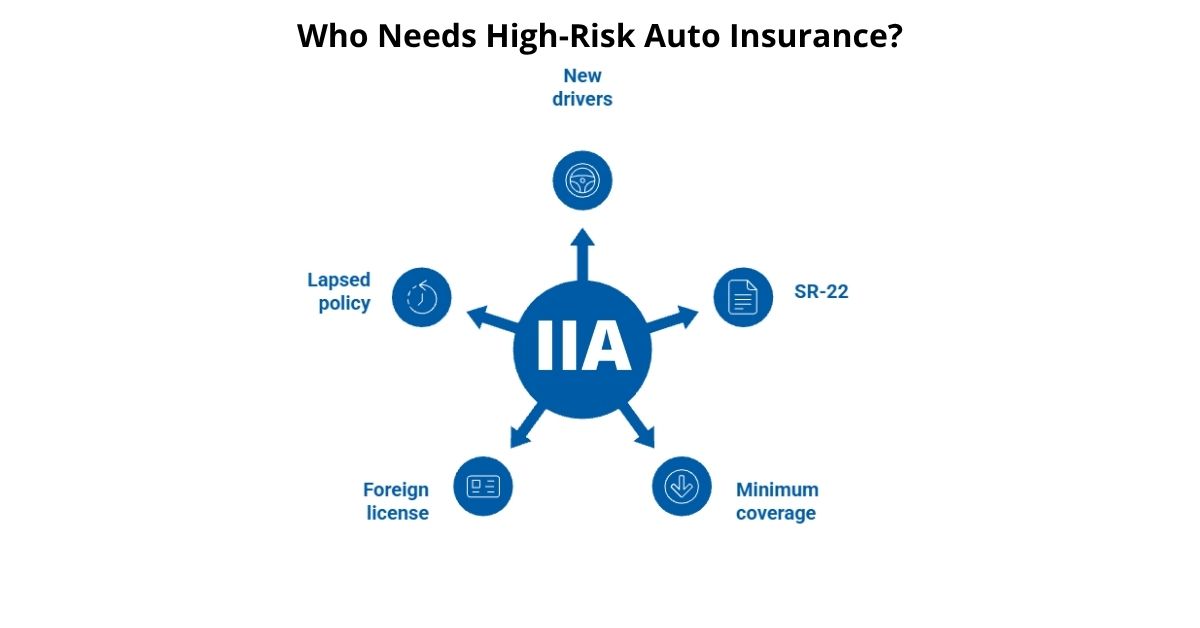
Who Needs High-Risk Auto Insurance?
Non-standard auto insurance is essential for several types of high-risk drivers, including:
- New drivers: Those with little to no driving history.
- Drivers with lapsed insurance policies: Individuals who have had a gap in their coverage.
- Foreign license holders: Temporary residents, international students, and workers.
- SR-22 certification: Those who need to prove financial responsibility due to serious traffic violations like DUIs.
- Those generally only purchasing minimum coverage.
What is an SR-22?
An SR-22 is a certificate that proves you have the minimum required auto insurance for the state that you live in. It's often mandated for drivers with serious traffic offenses or those involved in accidents while uninsured.
Coverage Options and Features of Non-Standard Auto Insurance
Non-standard auto insurance can include a variety of coverage options such as:
- Liability coverage: Helps to protect against claims from others for injuries or damages.
- Collision coverage: Helps to pay damage to your vehicle due to covered collision accidents.
- Comprehensive coverage: Helps to pay for damage to your vehicle involving covered non-collision-related incidents like theft, fire or vandalism.
How to Choose the Right High-Risk Auto Insurance
Selecting the right policy involves assessing your needs and considering key factors. First, understand your driving history and requirements to determine what coverage you need. Then, look at customer service, coverage options, and the reputation of the insurer to make an informed decision.
Getting Quotes
When shopping for non-standard auto insurance, it's essential to request and compare quotes from multiple insurers to find the best rate. At IIA our team can provide personalized quotes tailored to match your specific needs, so that you can choose the coverage that suits you best.
Tips for lowering your high-risk insurance premiums
To maintain affordable auto insurance, it is crucial to keep a clean driving record by avoiding accidents and traffic violations. Additionally, shopping around and comparing insurance quotes helps you receive the best rate available. Do not forget to ask your agent about potential discounts, as many insurers offer savings for completing safe driving courses or bundling multiple policies.
Once you have established a clean driving record, you may qualify for lower rates, or ‘standard insurance policies’ as they may be called.
Common Misconceptions About Non-Standard Auto Insurance
Myth: Non-standard insurance is expensive: While it may be pricier, shopping around can lead to affordable options.
Myth: Non-standard insurance companies offer poor coverage: Reliable coverage is available; it just may come at a higher premium due to the increased risk.
If you're ready to find the perfect auto insurance that meets your needs, contact IIA today for a personalized quote. Some non-standard drivers may be required to buy an SR-22 coverage we can help you take care of that quickly and affordably. Our team is here to help you discover non-standard insurance companies and choose the best insurance policy tailored to your specific requirements.
Get a quote online or give us a call at 1-855-478-3705 today!
Get A Personal Auto Insurance Quote
Frequently Asked Questions About Non-Standard Auto Insurance
What is the difference between standard and non-standard auto insurance?
The biggest difference is the type of driver each policy is designed to cover. Standard auto insurance is generally intended for drivers with lower-risk profiles. Non-standard auto insurance provides coverage options for drivers who may be considered high-risk because of their driving history, age, insurance history or license status. Although the pricing may differ, both types of policies can offer many of the same coverage options.
Who typically needs a non-standard auto insurance policy?
You may need non-standard auto insurance if you are required to file an SR-22, have a foreign or suspended driver’s license, have been involved in multiple accidents, or have several traffic violations on your record. Drivers with a gap in their auto insurance coverage may also benefit from a non-standard policy. If you are unsure where you fit, an IIA agent can help you explore your options.
Can I get auto insurance with a foreign or international driver’s license?
Yes, you may be able to get auto insurance with a foreign or international driver’s license. Depending on the state and insurance carrier, some non-standard auto insurance companies may also accept alternative forms of identification, such as a matrícula consular. Options may even be available if you do not have a traditional U.S. driver’s license. An IIA agent can help you find out which policies and identification requirements apply to your situation.
What is an SR-22, and is it included with non-standard auto insurance?
An SR-22 is not a type of insurance coverage. It is a certificate that proves you carry the minimum amount of auto insurance required by your state. A state may require an SR-22 after a serious driving violation, such as a DUI, driving without insurance or causing an accident while uninsured. Many non-standard auto insurance policies can accommodate an SR-22 requirement, and the insurance carrier can generally file the certificate with the state on your behalf.
Does non-standard auto insurance cost more?
Non-standard auto insurance may cost more because it is designed for drivers whom insurance companies consider higher risk. However, that does not mean affordable options are out of reach. IIA can help you compare quotes and coverage options from multiple insurance carriers to find a policy that fits your needs and budget. Your actual rate will depend on factors such as your driving record, location, vehicle and selected coverage.
Get A Personal Auto Insurance Quote