“Pest control insurance” is not a single policy or specific type of coverage. Instead, the term generally refers to a combination of business insurance coverages that can address risks pest control professionals may face on the job. For exterminators, fumigation companies and pest management businesses, that combination may include coverage for certain liability claims, property damage, chemical-related risks and job-site accidents.
Whether you run a solo extermination business or manage a growing commercial pest management company, the right pest control business Insurance coverage can help protect your operations, employees, vehicles, equipment, and reputation. Infinity Insurance Agency, Inc. (IIA) helps pest control professionals compare coverage options based on the services they provide, the chemicals they use, the clients they serve, and the state licensing requirements they must meet.
From pesticide applications and wildlife removal to commercial fumigation and termite control, many pest control businesses need more than one type of protection to stay compliant and financially protected. Learn more about broader business insurance solutions available for small businesses across the United States by calling an IIA agent.
Compare Pest Control Business Insurance Quotes for the Coverage You Need
No two pest control businesses operate exactly the same. A residential exterminator handling routine ant and rodent treatments faces different risks than a company performing commercial fumigation services for restaurants, warehouses, apartment complexes, or food-processing facilities. That is why pest control business insurance quotes can vary significantly depending on the type of services your company offers.
Insurance companies often evaluate several factors when pricing coverage, including:
- General pest control services
- Structural fumigation
- Termite inspection and treatment
- Wildlife removal
- Mosquito and tick control
- Commercial pest management
- Annual revenue
- Number of employees
- Vehicles used for operations
- Chemical and pesticide inventory
- Claims history
- State licensing requirements
- Requested coverage limits
Businesses that perform higher-risk work, such as whole-structure fumigation or commercial pest management involving restricted-use pesticides, often face higher premiums because of increased chemical exposure liability.
IIA helps pest control professionals compare pest control insurance quotes from multiple carriers instead of pushing a one-size-fits-all policy. Whether you are searching for affordable pest control insurance, evaluating exterminator insurance costs, or reviewing pest control liability insurance requirements for commercial contracts, our team can help you explore coverage options that fit your business operations.
Get A Commercial Auto Insurance Quote
What Does Pest Control Liability Insurance Cover?
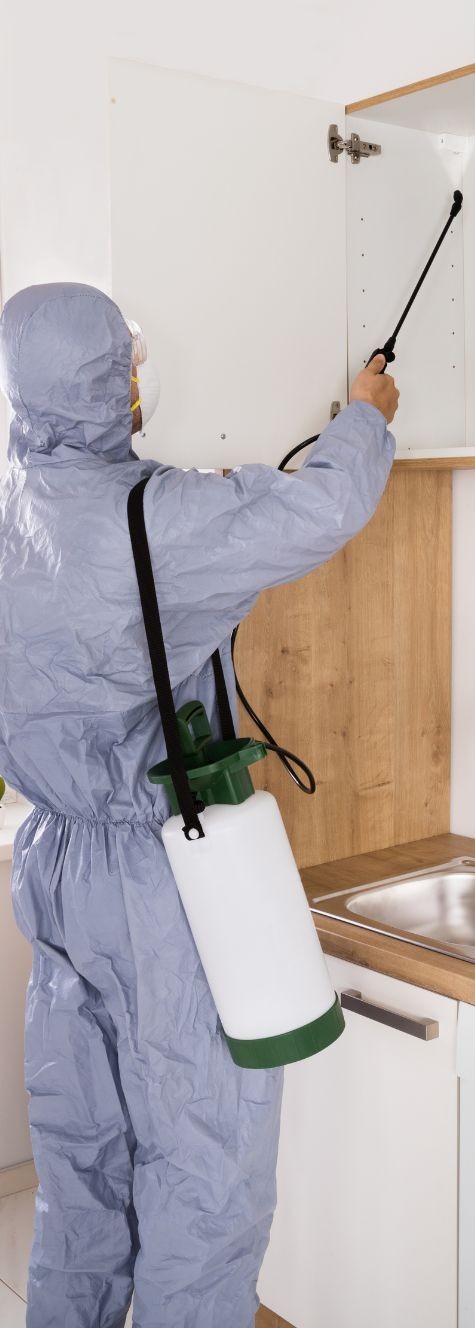
Pest control liability insurance helps protect businesses when third parties claim bodily injury or property damage caused by pest control operations. Because exterminators regularly apply chemicals and pesticides inside homes, apartment complexes, restaurants, warehouses, and commercial properties, liability claims can become expensive very quickly.
For many businesses, pest control liability insurance serves as the foundation of a larger insurance package.
Common liability claims may include:
- A client or household member claiming chemical exposure after a pesticide application
- Improper ventilation during fumigation causing illness after occupants return too early
- A pesticide spill damaging flooring, furniture, appliances, or electronics
- Accidental property damage during treatment or inspection, such as broken pipes, damaged drywall, or stained carpets
- A third party slipping over equipment or hoses at a job site
- Pesticide drift damaging neighboring landscaping, gardens, or outdoor surfaces
- Contamination claims involving restaurants, warehouses, or food-processing facilities after pest issues continue following treatment
These types of claims can lead to lawsuits, medical expenses, cleanup costs, repair bills, and legal defense fees.
Many pest control businesses purchase commercial general liability insurance to help cover third-party injury and property damage claims. However, it is important to understand that some general liability policies may contain pesticide or pollution exclusions that limit coverage for chemical-related incidents.
Completed operations coverage is also important because claims involving failed treatments, chemical exposure, or re-infestation disputes may not appear until weeks after a job is completed.
Commercial clients, property managers, HOAs, and government agencies often require pest control businesses to provide a certificate of insurance (COI) before work begins. In many cases, contracts specify minimum liability limits that exterminators must carry to qualify for the project.
Exterminator Insurance: Coverage Options Beyond General Liability
General liability coverage is important, but many pest control businesses need additional protection depending on the size of their operation and the services they provide. A solo exterminator may need a simpler setup, while a multi-technician pest control company servicing commercial accounts may require multiple policies.
Common exterminator insurance coverage options include:
Business Owner's Policy (BOP)
A Business Owner's Policy combines general liability and commercial property coverage into one policy. A BOP for pest control businesses can help protect office space, storage facilities, chemicals, inventory, computers, and equipment.
Workers' Compensation
Workers' comp for exterminators is required in most states when businesses have employees. Because pest control technicians face daily exposure to chemicals, repetitive lifting, climbing, and physically demanding work, workers' compensation coverage is especially important.
Commercial Auto Insurance
Pest control businesses often rely on trucks and vans to transport technicians, sprayers, pesticides, foggers, and inspection equipment to job sites. Personal auto insurance policies typically exclude business use. Businesses using company vehicles should consider commercial auto insurance to help protect against accidents involving service vehicles.
Professional Liability Insurance (Errors and Omissions)
Professional liability for exterminators can help cover claims involving negligence, failed treatments, inadequate inspections, or failure to warn clients about chemical risks. Re-infestation disputes are one of the most common claims pest control businesses face.
Tools and Equipment Coverage
Tools and equipment coverage helps protect expensive gear such as foggers, sprayers, inspection cameras, protective equipment, traps, and monitoring devices while in transit or at job sites.
Pollution Liability Coverage
Pollution liability pest control coverage is one of the most overlooked protections in the industry. Standard general liability policies may exclude claims involving pesticides, chemicals, fumigants, or contamination events. Businesses performing fumigation or commercial pest control services should strongly consider evaluating pollution liability coverage.
Umbrella Liability Coverage
Umbrella or excess liability coverage provides additional protection above the limits of underlying policies. This coverage may be especially valuable for commercial pest control operators serving food facilities, warehouses, apartment complexes, schools, or government properties.
Who Needs Pest Control Insurance?
Many different types of pest management professionals need pest control insurance coverage, including:
- Residential pest control companies
- Commercial pest management businesses
- Independent exterminators
- Sole proprietors
- Structural fumigation companies
- Tent fumigation specialists
- Termite inspection businesses
- Bed bug treatment companies
- Wildlife removal professionals
- Mosquito and tick control businesses
- Landscape pest maintenance companies
- Pest control franchises
- Multi-location pest management operators
- Pest control subcontractors
Commercial clients frequently require exterminator insurance before awarding contracts. Property management companies, restaurant groups, HOAs, warehouses, schools, and government agencies often request proof of insurance and certificates of insurance with specific coverage limits. Many states also require pest control businesses to maintain licenses and liability coverage. Texas requires structural pest control companies to maintain certain insurance standards, while California and Florida also maintain licensing and insurance-related requirements for pest management professionals.
Whether you need residential exterminator insurance or commercial pest control insurance, having proper coverage can help businesses meet licensing obligations and contract requirements while protecting against costly claims. Pest control businesses face risks that many industries do not, including chemical exposure claims, failed treatment disputes, contamination allegations, and pesticide-related liability concerns. IIA understands these exposures and can help businesses evaluate coverage options based on how they actually operate. Whether you are a single-technician exterminator or a growing commercial pest management company, our team can help you compare coverage designed for your business needs.
Pest Control Insurance Cost: What Affects Your Rate?
Pest control insurance cost depends on several factors tied directly to your operations and exposure level. Businesses performing higher-risk work generally pay more than companies offering basic residential pest treatments.
Factors that commonly affect pricing include:
- Type of pest control services offered
- Commercial versus residential work
- Structural fumigation services
- Wildlife management operations
- Chemicals and pesticides used
- Restricted-use pesticide applications
- State licensing requirements
- Years in business
- Employee count and payroll
- Annual revenue
- Vehicle usage
- Equipment value
- Claims history
- Coverage limits and deductibles
- Pollution liability coverage
- Professional liability coverage
General liability coverage for pest control businesses may sometimes start around $40 to $80 per month for lower-risk operations, though pricing varies significantly based on business size and services performed. Commercial operators, fumigation companies, and businesses handling restricted-use pesticides may pay substantially more because of increased chemical exposure risk.
Businesses searching for cheap pest control insurance should understand that the lowest premium is not always the best value. Some inexpensive policies may exclude pesticide drift, pollution claims, professional liability exposures, or equipment losses. Those gaps can leave businesses exposed to exactly the types of claims most common in the pest control industry.
Affordable pest control business insurance should balance pricing with appropriate protection for the work your company performs.
Get A Commercial Auto Insurance Quote
What Information Do You Need for Pest Control Insurance Quotes?
Getting pest control insurance quotes is usually a straightforward process when you have the right business information available.
Most insurance applications request:
- Business name and contact information
- Type of pest control services provided
- Residential versus commercial operations
- Fumigation or termite treatment services
- Wildlife management operations
- Chemicals and pesticides used
- State pest control license numbers
- Annual revenue
- Number of service calls
- Employee count and payroll
- Vehicles used for operations
- Equipment value
- Requested coverage limits
- Claims history
- Commercial versus residential client mix
Businesses using restricted-use pesticides or performing structural fumigation may need to provide additional details about chemical usage and applicator certifications. Once the application is completed, businesses can compare carrier options, review pricing, and request proof of pest control business insurance or a certificate of insurance for upcoming contracts.
Companies with clean claims histories and current licensing documentation may qualify for better rates and faster approvals.
Why Choose IIA for Pest Control Insurance
IIA helps pest control businesses compare coverage options from multiple carriers while working with agents familiar with the industry's unique risks.
Benefits of working with IIA include:
Compare pest control insurance carriers
Spanish-bilingual agents
Flexible payment options
Fast certificate of insurance delivery, where applicable
Guidance for solo exterminators and larger commercial operators
Support understanding state licensing insurance requirements
Help evaluate chemical liability and professional liability exposures
Get Pest Control Insurance Quotes Today
Whether you need proof of insurance for licensing requirements, are bidding on commercial contracts, or want to review your current policy before renewal, IIA can help you compare pest control insurance options for your business.
Our team works with pest control professionals who:
- Need COIs for commercial, HOA, restaurant, or government contracts
- Want protection against chemical exposure and property damage claims
- Need workers' comp for pest control technicians
- Operate fumigation services requiring pollution liability coverage
- Want to compare pest control business insurance quotes from multiple carriers
- Need guidance selecting coverage for residential or commercial operations
The goal is not simply finding the lowest premium. The right pest control insurance coverage should match the way your business actually operates, whether you are a solo exterminator or a large commercial pest management company servicing food facilities, apartment complexes, and government accounts.
To compare coverage options, request a pest control insurance quote, or get help understanding licensing and COI requirements, speak with an insurance agent today.