The roofing industry can come with many challenges, but getting the right roofing insurance doesn’t have to be one of them. Roofing contractors' insurance includes a range of policies designed to cover job-related risks. From handling heavy materials to potential ladder accidents, there are many hazards on the job. Infinity Insurance Agency, Inc. (IIA) helps roofing businesses compare roofing insurance options based on their work operations, the risks they face, and coverage they may need.
Most roofing businesses start with general liability insurance, but often need more than one type of coverage, especially when they work at heights, handle heavy materials, transport equipment to job sites, or need proof of insurance before starting work. In this guide, we will explain the different coverage types, why you may need them, and how you can obtain coverage today.
Compare roofing insurance quotes for the coverage you need
Not all roofing businesses operate the same way, which is why their insurance needs can vary. A solo roofer, small crew, subcontractor, or a larger contractor handling commercial projects will likely require different coverage types and limits based on their work and risk exposure.
Roofing is often considered a high-risk trade by insurers due to fall hazards and working with heavy equipment, which can impact pricing. A roofing insurance quote can depend on several factors, from the type of roofing work (residential vs. commercial) to the profile of the business (number of employees, vehicles, equipment value, and more). That’s why it’s important to find an agency like IIA that is not one-size-fits-all. With IIA, you can customize your policy based on your business needs and compare multiple carrier options.
Get an estimate online or speak with an IIA agent for a quote today!
What does general liability insurance for roofing contractors cover?
When considering insurance for your roofing business, one essential type of coverage to start with is commercial general liability (CGL). This type of coverage may help roofing businesses avoid certain financial losses related to third-party claims of bodily injury, property damage, and personal or advertising injury.
Some scenarios where CGL insurance may be particularly useful when completing a roofing job are:
- Falling debris or materials injuring a customer, passerby, or neighbor
- Tools or equipment sliding off a roof, causing injury
- Ladder falls causing injury to a customer or non-employee
- Accidental damage to gutters, siding, windows, or other property during roofing work
- Tarps blowing off, causing water damage to a client’s home interior
- A customer tripping over roofing materials left on their property
- Damage to vehicles parked near the job site from falling materials
Often, clients, general contractors, and commercial property owners may require that you show proof of liability insurance before your work begins. You may even need CGL coverage to obtain a roofing license, making it a potentially essential part of your business.
Remember, CGL insurance is important, but is often only one core part of a roofing insurance policy. If you want additional financial protection for your business, read on to learn about additional coverage options.
Roofing contractors' insurance options beyond general liability
There are multiple types of coverage designed to help mitigate the financial risks of running your roofing business. CGL coverage is often only one part of a broader policy mix for roofing insurance.
Common options for roofing insurance may include any of the following coverages:
- Business owner's policy (BOP): Common with small roofing businesses, this type of coverage combines your commercial general liability coverage and your commercial property coverage into one convenient policy.
- Workers' compensation: Required in most states, even for some sole proprietors in high-risk trades like roofing, this insurance helps cover employees' work-related injuries or illnesses, including medical bills, lost wages, and rehabilitation expenses.
- Commercial auto insurance: This type of auto insurance may help pay for damages sustained from a covered accident that occurred while conducting business activities, such as transporting materials and equipment.
- Tools and equipment insurance: This coverage may help pay for the repair or replacement of roofing tools and equipment in instances of loss, theft, or damage. It can cover tools like ladders, nail guns, safety harnesses, roofing knives, or shingle cutters.
- Professional liability (E&O): This coverage can cover claims of poor workmanship, incorrect materials used, or installation errors that can lead to monetary loss.
- Commercial umbrella: A type of liability insurance that can provide additional coverage above primary policy limits for major claims and is common for high-risk jobs like roofing.
Finding the right insurance for your roofing company involves evaluating your business profile and what coverage may be most beneficial. A solo roofer may only need a simpler insurance setup, while a contractor with multiple employees, trucks, and high-value equipment may need broader coverage. If you aren’t sure what you may need, you can speak with an IIA agent about your business and receive clarification on coverage options.
Get A Commercial Quote Now
Who needs roofing insurance?
Wondering if your roofing business requires insurance? While all roofing operations have unique needs, many of the following types of roofing businesses commonly obtain coverage:
- Self-employed roofers and sole proprietors
- Roofing subcontractors
- Residential roofing companies
- Commercial roofing contractors
- Roof repair specialists
- Re-roofing contractors
- Gutter installation businesses
- Storm damage restoration roofers
- Flat roof and steep-slope specialists
Many jobsites, property owners, general contractors, and commercial clients may require proof of roofing insurance before you can begin a job. In some states, general liability insurance for roofing contractors is required to obtain or maintain a roofing license. A certificate of insurance (COI) is often requested to verify coverage. Get your COI the same day with IIA once you purchase your policy to avoid delays in your work.
Roofing contractors' insurance for high-risk job-site exposures
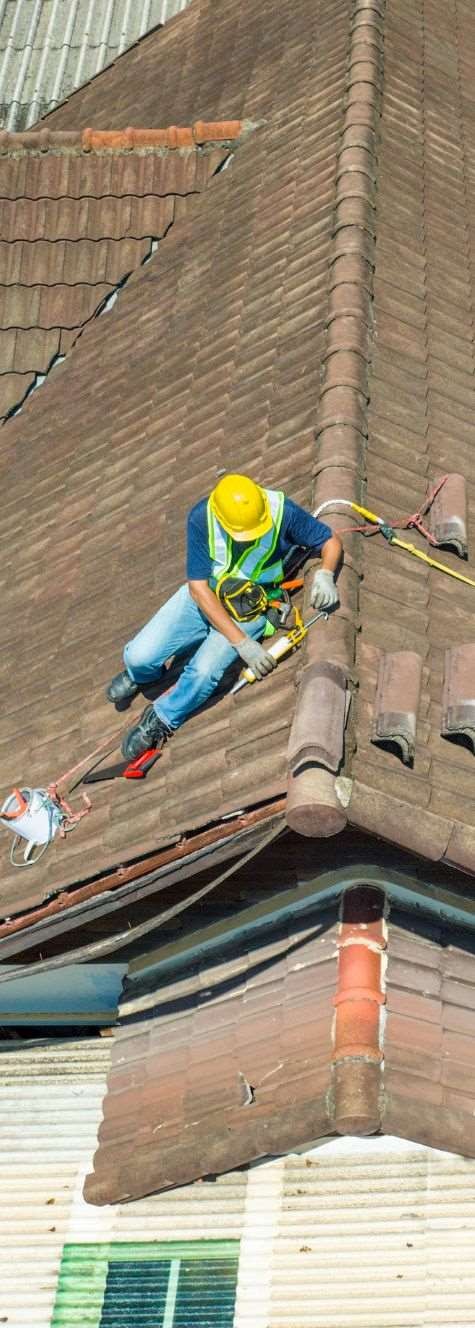
It is common for roofers to work with potentially dangerous equipment and tools such as shingle cutters, roofing knives, and circular saws. Choosing to operate your roofing business without sufficient coverage may put you at risk for costly liabilities arising from lawsuits and medical expenses.
Here are examples of everyday risks roofers, employees, and clients may face on roofing job sites:
- Working at heights and on steep-slope roofs
- Fall hazards for roofers and others on-site
- Falling debris and material-related risks
- Ladder and scaffolding accidents
- Exposure to extreme weather conditions
- Transporting heavy materials and equipment
- Tools and equipment left on job sites
- Burn and electrocution hazards from hot materials or nearby power lines
- Contractual and licensing requirements
Due to the implicit risk of many roofing activities, securing roofing contractors' insurance may be a beneficial step. Risk levels can vary depending on the scope of each project, so roofers can tailor their coverage to match their job needs.
For example, residential re-roofing may be less risky and require lower coverage limits compared to commercial flat roof projects or multi-story building projects requiring larger crews and specialized equipment.
Because there are different insurance needs, it may be useful to look into additional coverage beyond CGL, like commercial auto insurance for your work vehicles, and tools and equipment insurance for your valuable gear.
Roofing insurance costs: What affects your rate?
The exact cost of your roofing insurance may depend on many factors. Typically, a small contractor with zero employees may pay less than a larger roofing company with many employees and a large fleet of commercial vehicles.
The following factors may impact your roofing insurance coverage costs:
- Roofing services offered (residential vs. commercial, repair vs. replacement)
- Height and complexity of work (single-story vs. multi-story)
- Roof types worked on (flat roof vs. steep-slope, specialty work like metal roofing)
- Business size (including employee count) and overall revenue
- Years of business experience
- Type of roofing equipment used and their value
- Vehicles used for work
- The location of the business and weather exposure (storm-prone areas may cost more)
- Selected policy limits and deductibles
- The type(s) of insurance purchased
- Any past claims history (particularly fall-related claims)
Remember, for the most accurate estimate of your roofing insurance costs, it is best to speak to a qualified agent. Contact IIA today to learn more.
Get A Commercial Quote Now
What information do you need for roofing insurance quotes?
Getting a quote for roofing insurance is typically quick and straightforward, especially with IIA. To make the process even smoother, here’s the information and documentation you’ll typically need to have ready:
- Business name and contact information
- Type of roofing work (residential, commercial, repair, replacement)
- Height and scope of roofing projects
- Annual revenue
- Payroll and/or employee count
- Years in business
- Prior claims history
- Vehicles used for work (year, make, model, usage)
- Types of tools and equipment used and their value
- Chosen coverage limits
Having the necessary information ahead of time can help speed up your quoting process. While getting a quote is typically quick, some insurers may require additional underwriting for higher-risk roofing operations (multi-story, commercial, storm restoration work). Get your roofing contractor COI with IIA quickly after buying your policy.
Why choose IIA for roofing insurance
From working with heavy materials to ladder accidents, IIA acknowledges the inherent dangers of roof work. We make the process of obtaining roof insurance stress-free and as quick as possible. Work with us and take advantage of:
A wide range of reliable carrier options to choose from
Expertise from experienced agents who understand roofing business risks
Spanish-bilingual agents
Flexible down-payment options
Fast COI delivery once your payment is complete
Clear guidance so you can choose the right coverage for residential vs. commercial work
IIA works with expert carriers who have experience helping roofers with unique job risks, from fall hazards to debris damage claims. Compare roofing insurance carriers today by speaking with a friendly IIA agent.
Get roofing insurance quotes today
Repairing roofs may be challenging work, but determining the right business coverage shouldn’t make it harder. Securing roofing coverage may be an essential step in preparing your business for accidents and may even be necessary to pursue certain contracts. Strongly consider roofing insurance if you:
- Need proof of insurance for contracts or licensing
- Are bidding on commercial jobs or multi-story projects
- Want to compare coverage before renewing
- Want to financially protect tools, vehicles, or job-site operations
- Need workers' compensation coverage
If you are ready to explore your roofing coverage options, including commercial auto insurance and general liability coverage, contact IIA today! Finding the right roofing insurance isn’t always about cost; it can be about finding reliable coverage for your business, whether you handle residential repairs or commercial projects.
Call one of our qualified agents at 1-855-478-3705 to receive a free roofing insurance quote!